The first time I really understood what it meant to “fail forward,” I was staring at a Grade 9 math problem I couldn’t solve. COVID had closed schools, and as part of Werklund’s online K–12 Tutoring program, I was paired with a student who needed help in math—a subject outside my specialization.
COVID had closed schools, and as part of Werklund’s online K–12 Tutoring program, I was paired with a student who needed help in math—a subject outside my specialization. I was nervous, underprepared, and at one point, the student and I puzzled through the problem together. That moment was humbling, but also freeing. I realized that teaching isn’t about having all the answers—it’s about building relationships, being willing to learn alongside others, and finding a way through challenges together. Looking back, that tutoring session was one of many times I failed forward through experiential learning at Werklund. From undergraduate service learning to graduate mentorship, from varsity wrestling to international research, these opportunities carried me from uncertainty to resilience, shaping me as a teacher, leader, and scholar.
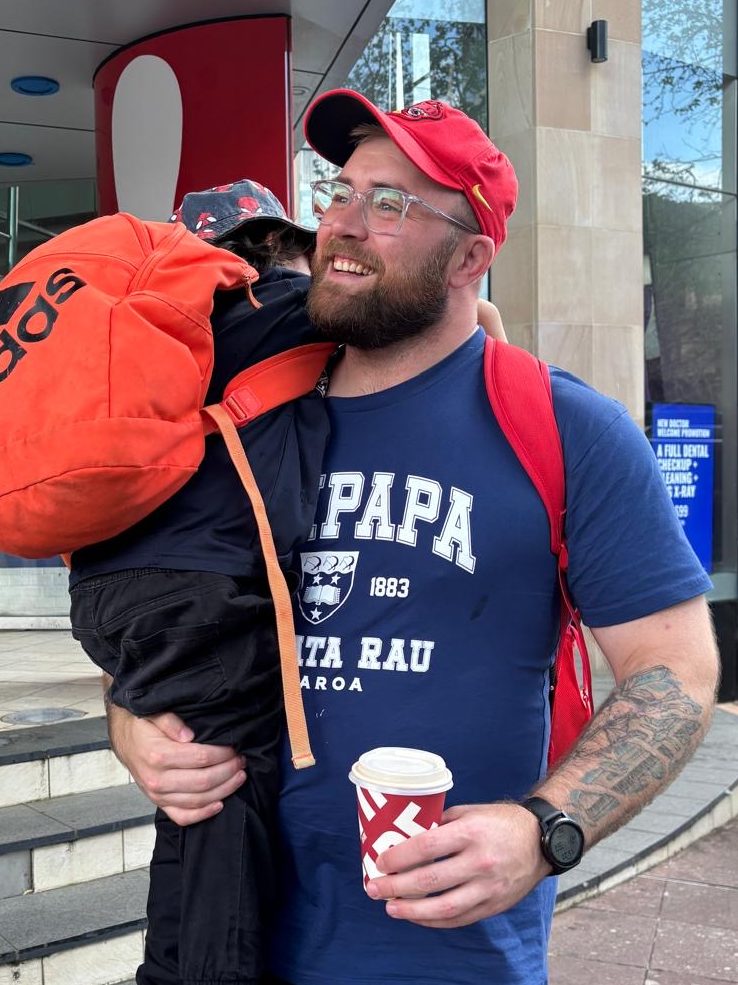
My first experiences with experiential learning came as an undergraduate student through the Junior Achievement program and the K–12 Tutoring program. In Junior Achievement, I taught financial literacy in schools across Alberta. I learned how to break down complex ideas, build trust quickly, and navigate the rhythms of real classrooms. In Service-Learning, I supported K–12 students with tutoring, which gave me early insight into what teaching really looks like outside theory. Even when lessons fell flat, I walked away stronger. The mistakes mattered as much as the successes. Then COVID hit. Schools shut down, but Werklund adapted. I was matched with students online who needed math help. Math wasn’t my area, and I felt out of my depth. But that discomfort forced me to adapt: I built individualized learning plans, tried new explanations, and learned how to connect through a screen. At the same time, I was competing as a Dinos varsity wrestler. Practices, competitions, coursework, and tutoring collided. It wasn’t easy, but athletics gave me discipline and resilience that carried straight into my teaching.
When I graduated, things were bleak. Provincial cuts had reduced teaching jobs, and the pandemic added even more uncertainty. I wasn’t sure if I’d be subbing, job-hunting, or lucky enough to find steady work. To hedge my bets, I applied to a master’s in Educational Leadership. My thinking was that whether I was teaching full time or not, I’d still be moving forward. By sheer timing, I ended up with both: a probationary teaching contract and admission into the master’s program. Suddenly, I was a first-year teacher and a full-time graduate student, all while navigating a pandemic. It was overwhelming, but it taught me a lesson I’ve carried since: growth doesn’t wait for perfect conditions. It often happens in the chaos.
During my master’s, I joined the Werklund Mentorship Program, pairing with pre-service teachers just starting their journey. I wasn’t much older than they were, but I already had stories from the classroom trenches: how to prepare for practicum, how to approach interviews, how to navigate those first days of teaching. Sometimes my advice hit home, sometimes it didn’t, but I learned that leadership is less about answers and more about walking alongside others. I also helped launch a Service-Learning program for pre-service teachers to work with disabled students. Too often, teacher candidates had little exposure to these classrooms, though the experience was vital. Coordinating placements, working with community partners, and supporting both student teachers and classroom teachers gave me a new perspective. The program wasn’t perfect—there were logistical challenges and plenty of trial and error—but its impact was undeniable. And for me, it was another chance to fail forward while building something meaningful.
People often ask how I managed to balance teaching, grad school, coaching, athletics, and all these programs. The truth is that I didn’t—at least not in the neat, Instagram-ready sense of “balance.” For years, I juggled full-time teaching, full-time graduate studies, coaching high school wrestling, a season of Dinos rugby, and later, doctoral studies on top of it all. If balance means harmony, then I failed. But I’ve come to see balance differently. It’s not a perfectly level scale. It’s more like running a kitchen alone—chef, sous chef, server, and cashier all at once. Some dishes demand attention, others simmer, and sometimes one catches fire. The trick is knowing what matters most at that moment, and being willing to let the rest wait. I’ve failed often, but I’ve learned to fail forward—each misstep teaching me resilience, boundaries, and perspective.
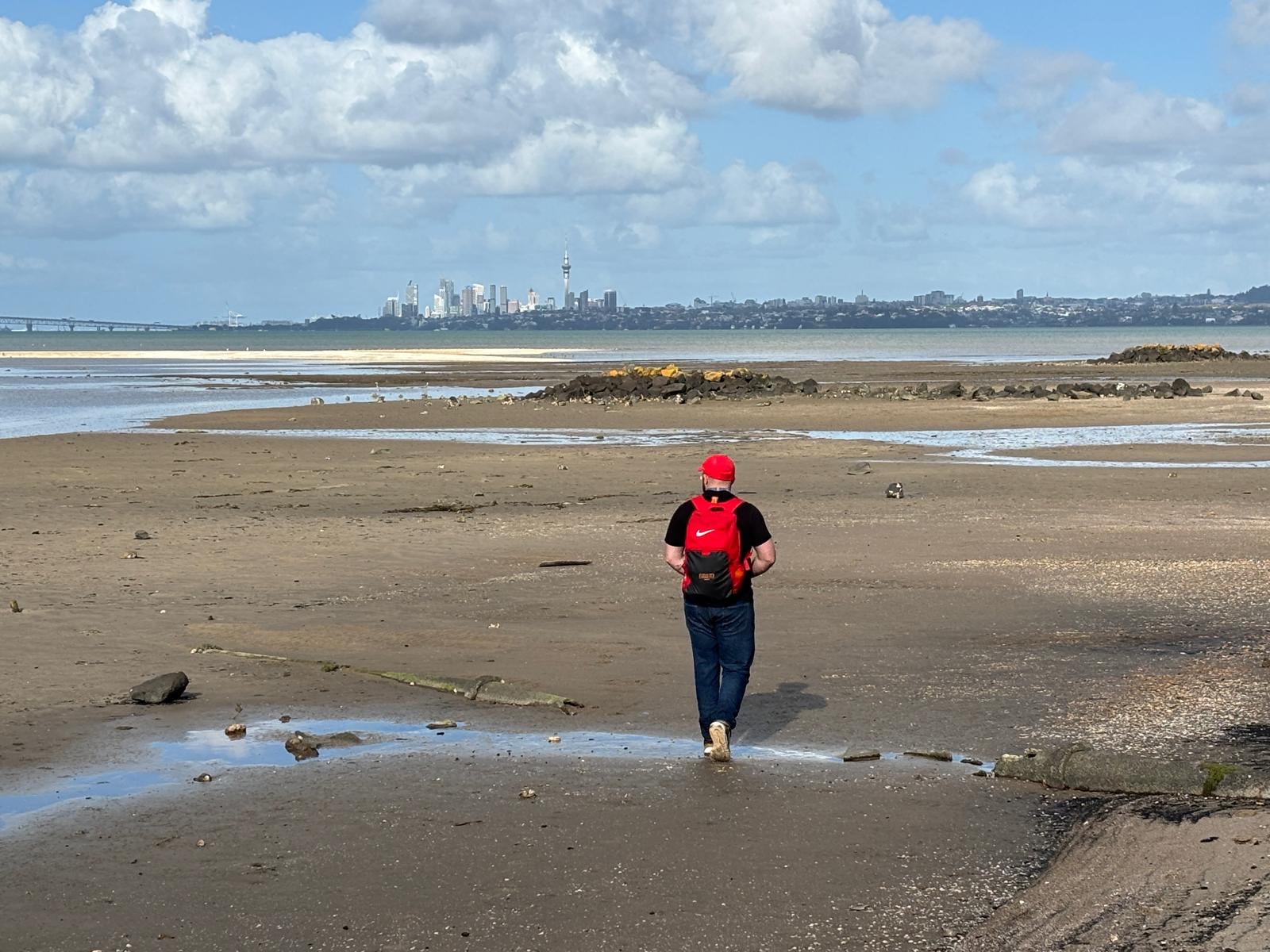
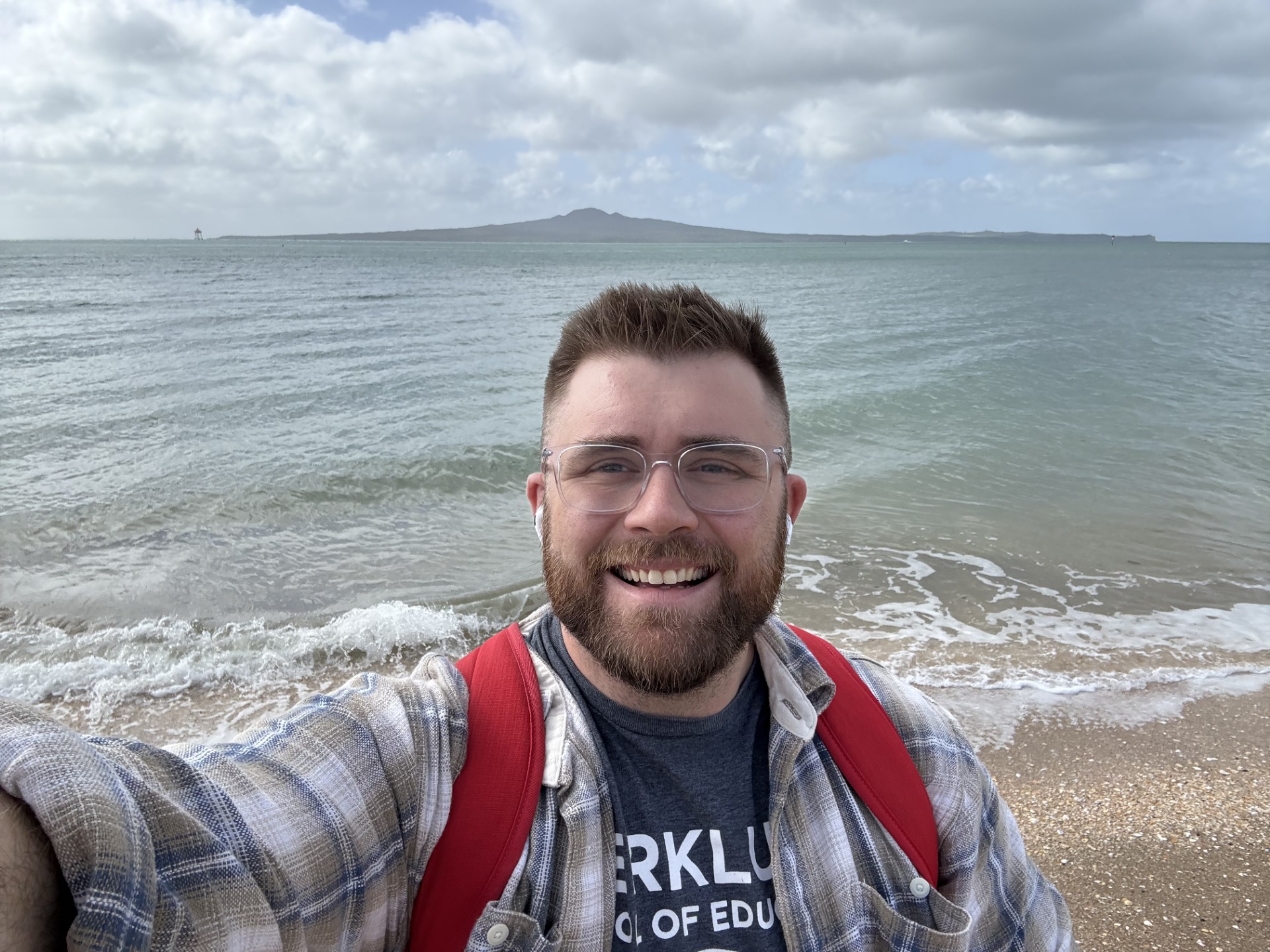
Most recently, as a doctoral student, I was selected as a Queen Elizabeth II Scholar in the program Our Changing Climate: Community Resilience and Education. This opportunity took me to Auckland, Aotearoa New Zealand, where I worked with schools, organizations, and another university. I also had the privilege of learning from Māori colleagues and communities about resilience, culture, and education. It was humbling to enter a context where I didn’t always know the right protocols or approaches.
But those uncertainties became my best teachers. Presenting at conferences, collaborating across cultures, and engaging in international research pushed me well beyond my comfort zone—and reminded me that growth often begins where certainty ends.
One of the most valuable lessons experiential learning has given me is how to turn experiences into stories. Anyone can list programs on a résumé, but what resonates with employers is how you frame them. In interviews, I’ve learned to share tutoring during COVID as a story of resilience, adaptability, and creativity in crisis. Junior Achievement becomes a story of initiative and confidence, stepping into classrooms early. Mentorship is a story of leadership, empathy, and walking with others. Service-Learning with disabled students is a story of advocacy, organization, and building partnerships. My time as a Queen Elizabeth II Scholar in Aotearoa is a story of adaptability, cross-cultural competence, and scholarly growth. The key isn’t just what I did—it’s what those experiences meant. That’s what turns experiential learning into professional opportunity.
Now, as I enter my fifth year of teaching, I see how deeply these programs have shaped not just my career but my way of moving through the world. They gave me footholds when I was unsure, stretched me in ways I never expected, and taught me that failure isn’t the opposite of success—it’s part of it. If I could give advice to other students, it would be this: don’t wait until you feel perfectly ready or balanced to get involved. Say yes. Jump in. You’ll stumble, you’ll juggle, and sometimes you’ll feel like everything is on fire. But if you let those challenges teach you something—if you allow yourself to fail forward—you’ll discover strengths you didn’t know you had.