Tracy Dinh is a Werklund pre-service teacher committed to literacy and numeracy development in early childhood education. She chose to participate in the BCCC program to deepen her understanding of classroom preparation and teacher collaboration. For Tracy, meaningful learning begins long before students walk through the door.
School Context & Goals
Tracy completed her placement at Dr. JK Mulloy School, a Kindergarten to Grade 4 school offering both English programming and French Language Arts, and home to a Traditional Learning Classroom (TLC) program. She worked alongside the entire Grade 1 teaching team, with a primary partner teacher, supporting classroom setup for three intensive preparation days before the school year began and returning weekly throughout September.
Dr. JK Mulloy is also known for its literacy centre initiative, where volunteers, educational assistants, and pre-service teachers support early literacy development. Tracy assisted in preparing materials for these literacy centres, observing how assessment data informs the school’s yearly plan and contributes to measurable improvements in reading performance. This experience directly connected to her larger commitment to strengthening literacy and numeracy foundations in early childhood education. She believes confidence in reading and mathematics enables students to access broader learning opportunities, from critical thinking to creative expression.
Through this placement, Tracy gained a deeper appreciation for how intentional planning, physical space design, and collaborative effort shape equitable and accessible learning environments.
Personal Highlights & Artifact
One of Tracy’s most meaningful moments involved designing a Grade 1 classroom wall alongside fellow pre-service teacher Evangeline. The wall featured alphabet cues and phoneme charts carefully positioned to support early literacy development. What appeared simple at first required intentional planning. Tracy measured wall space, curated visuals appropriate for six-year-olds, and placed labels strategically so that the wall functioned not just as decoration but as a daily instructional tool.
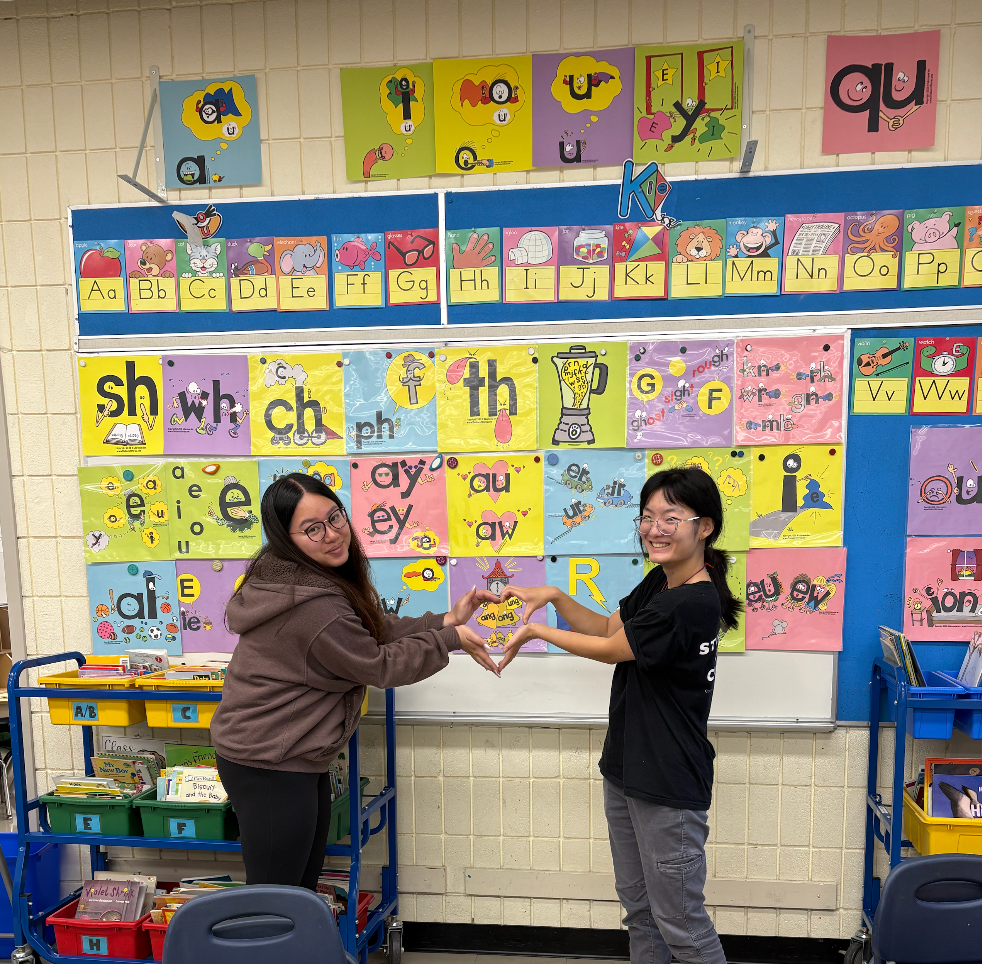
She realized that classroom walls are never neutral. They teach. They reinforce sound-letter connections, support independence, and build student confidence during reading tasks.
Although Tracy knew the classroom setup required effort, she did not anticipate the scale of preparation. Tracy shares, “Over three full days and continued work throughout September, teachers sorted hundreds of notebooks, unpacked boxes of supplies, organized literacy materials, and moved furniture repeatedly. I came to understand that classroom setup is not a one-time event but an iterative process responsive to student needs.”
When the Grade 1 students arrived on the first day, she saw the impact of that preparation. Students confidently explored the space, interacted with literacy tools, and engaged with their teacher and peers. In that moment, the long hours of preparation felt purposeful.
Collective Reflection
At times, the workload felt overwhelming. There were moments when Tracy questioned whether everything would be ready in time. Her partner teacher reminded her to prioritize larger tasks first and approach the remaining work progressively. This advice reshaped her perspective. Teaching is collaborative work, and relying on mentors and trusting their expertise is essential.
Through open communication and shared responsibility, the Grade 1 team modelled what sustainable collaboration looks like. Tracy’s presence helped accelerate the setup process, allowing teachers to dedicate more time to lesson planning, assessment preparation, and student-specific supports. She learned that even as a pre-service teacher, her contributions meaningfully supported the school community.
Closing & Advice
Tracy reflects, “Take advantage of every opportunity to learn about the field of education, especially the aspects that preparation courses may not fully capture. I have taught in traditional classrooms, grassroots organizations, and nonprofit spaces, yet BCCC exposed me to a dimension of teaching grounded in preparation, collaboration, and collective responsibility. It reinforced that equitable learning begins with intentional planning and trust in your professional community.”
For Tracy, the BCCC experience was not simply about classroom setup. It was about understanding that strong foundations in literacy, numeracy, and professional relationships shape the trajectory of a student’s educational journey.
Biography
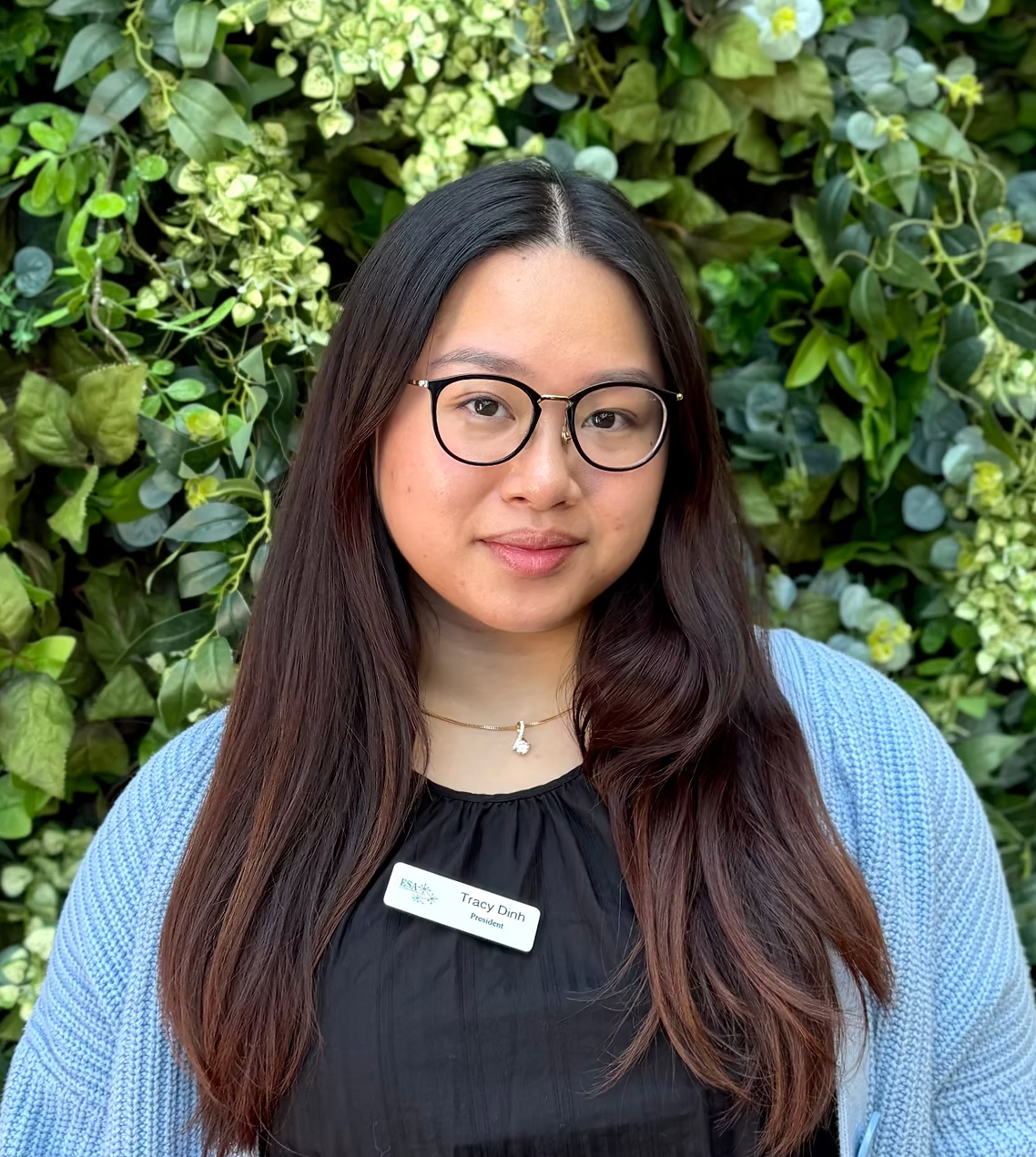
Tracy Dinh is a final-year student in the four-year Bachelor of Education program with a concentration in Elementary English Language Arts. Graduating with the Class of 2026, she is eager to contribute to the field of education as a public school teacher who honours the lived experiences of students, especially Black, Indigenous, and students of colour, through social justice and historically conscious pedagogy in her future classrooms. Tracy is also a researcher focused on intersectional teacher and student well-being, aiming to promote wellness through critical race theory, the cultivation of a culture of care, and the praxis of love. Her passion for social justice and wellness was further strengthened through her participation in the BCCC program.
Created by Tracy Dinh.